Earlier this week, Cindy Moon, one of our creators, reached out to the community for guidance on negotiating her salary for a Content Lead role she was approached for.
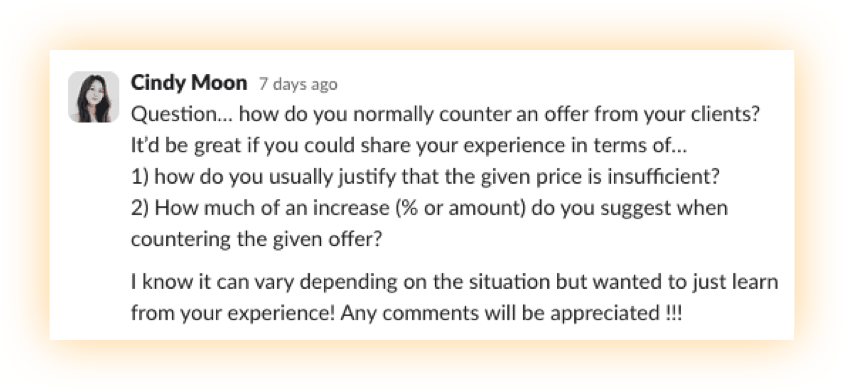
That became the main focus of our support call, and when combined with valuable suggestions from the community, Cindy went from having an unfavourable initial offer to confidently securing her counter-offer, one that fairly valued her skillset and expertise.
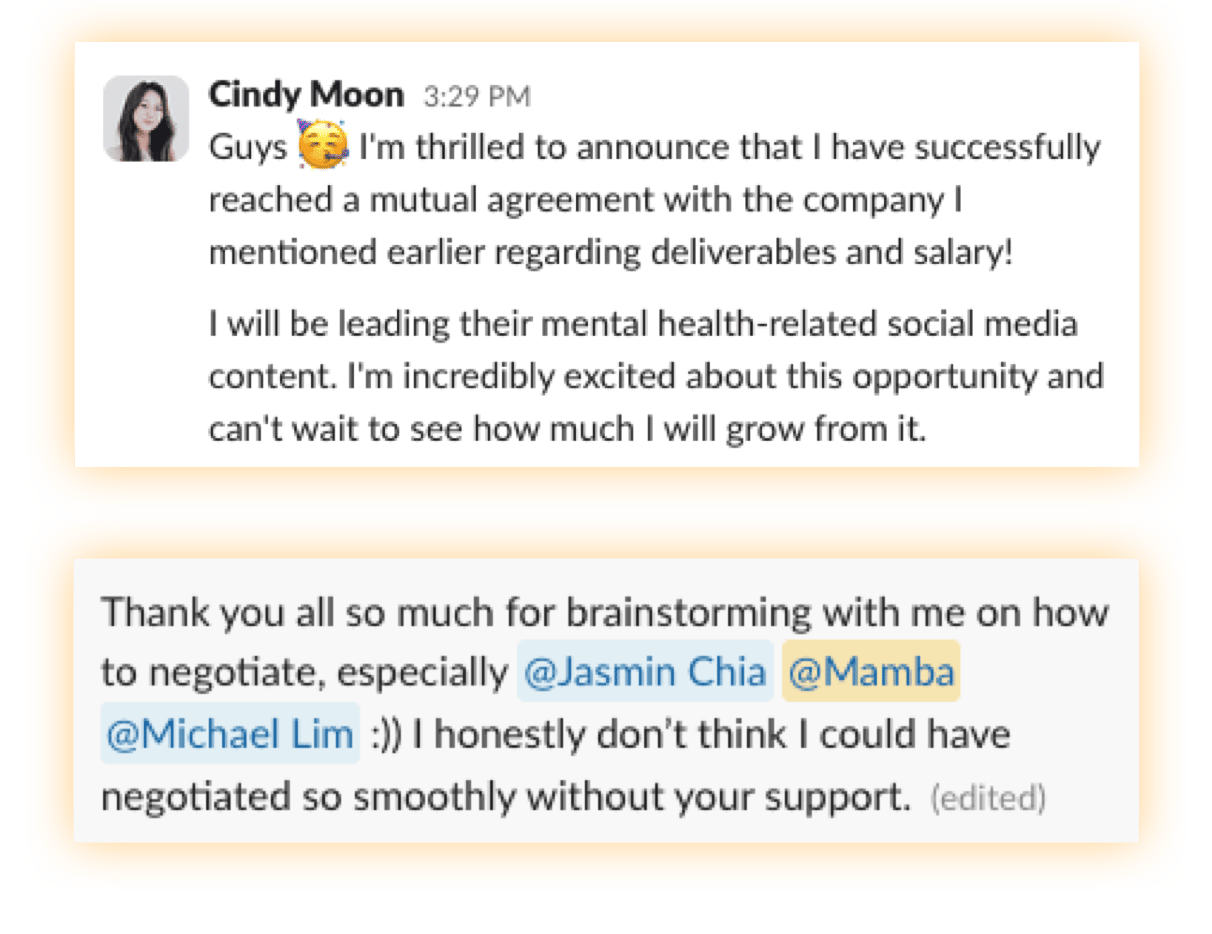
Pricing our own skillsets, or sought-after expertise, is a challenge I've heard nearly everybody struggle with, whether it's for their business or career.
Me included.
🤔 What's Your Price?
When asked to price ourselves or our services, 99% of us underprice ourselves because we often have deeply ingrained beliefs or narratives about our self-worth as it relates to money or wealth.
It could be because your parents have subconsciously carried a scarcity mindset and unintentionally projected it onto you during your upbringing.
Or it could be a result of the environment or people you spend the most time with, who constantly use and reinforce language that distances you from the abundance of money in this world, such as:
💭 "Money doesn't grow on trees"
Yes it doesn't...but it gets printed by global central banks on the daily.
💭 "It'd be great to see how the 1% live"
You could become the 1% yourself if you truly believed it and acted accordingly.
💭 "I'll never be able to afford that"
You're right...with that mindset, you'll never take the actions that would enable you to afford it.
💭 "You have to save for a rainy day"
If you're the kind of person with that pessimistic mindset, then your energy of anticipating those "rainy days" will attract more bad events happening to you. Ever notice those types of people in your life that always seem to be attracting bad people, events and outcomes?
💭 "Those wealthy people must've gotten lucky"
Attributing wealth to "luck" dismisses the actions you can take to achieve it yourself.
👉🏽 What phrases or beliefs around money have been deeply reinforced and have impacted your views on what's possible for your life?
🏷️ You Sell How You Buy
You may or may not know where your money mindset comes from.
But it's often noted that how you price or sell yourself, or your products, directly reflects how you buy.
🤔 Think about it:
Do you tend to opt for the "cheapest" price, or focus on purchasing things when they're on sale/discount?
Then, when it comes to your offers or products, you'll also default to lowering your prices because that's your approach towards purchasing decisions.
I definitely did...for years.
Don't believe me?
Here's the story of my first retainer (i.e. recurring monthly) client.
And I've gotta be honest here...I'm actually starting to cringe just typing this.
I even considered excluding this story from this newsletter (as I've never shared it publicly), but as I value honesty and want to ensure that you avoid or learn from my mistakes, here goes...
🤦🏽♂️ My $40/hour retainer client
At the start of January 2021, I handed in my resignation to leave my full-time Marketing & Comms role at Google.
I already had a handful of clients for whom I was doing ad-hoc projects on the weekends in my at-home studio:
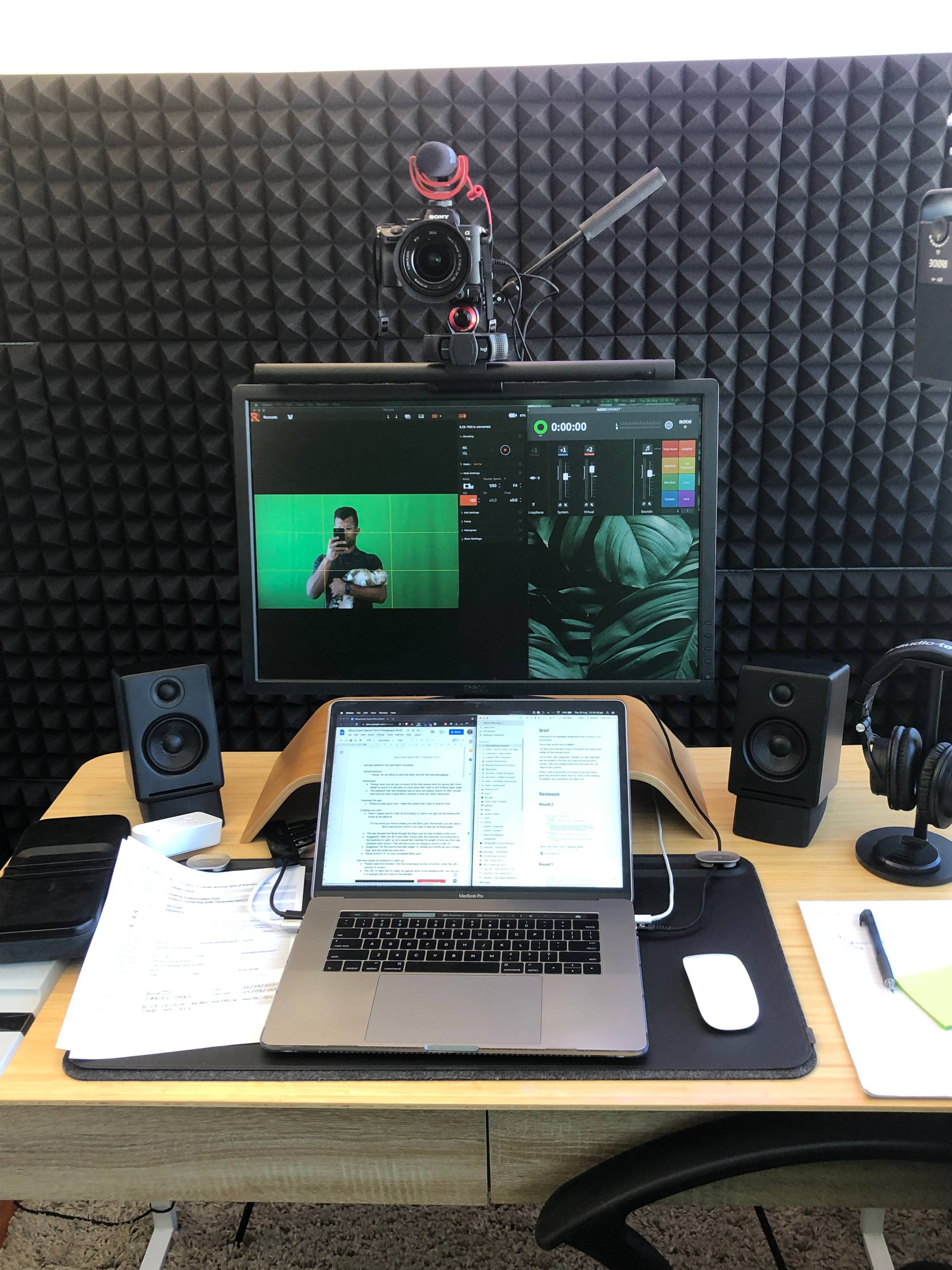
I felt confident I could secure 3-4 monthly retainer clients that would (at least) equal what I earned in my full-time role.
✅ I was right about being confident in my ability to secure 3-4 monthly retainers, but
❌ I was (terribly) wrong about my ability to immediately equal what I previously earned.
Why?
I didn't have any method or maths to value my services.
And because I didn't know my value, I didn't know how to reverse-engineer my previous salary.
So when it came to pitching clients, I just plucked a number out of the sky, that I thought was low enough for clients to say "yes" to.
sigh
Here's an excerpt from a pricing proposal I sent to one of my earliest retainer clients, which priced my services at a whopping:
$40 per hour.
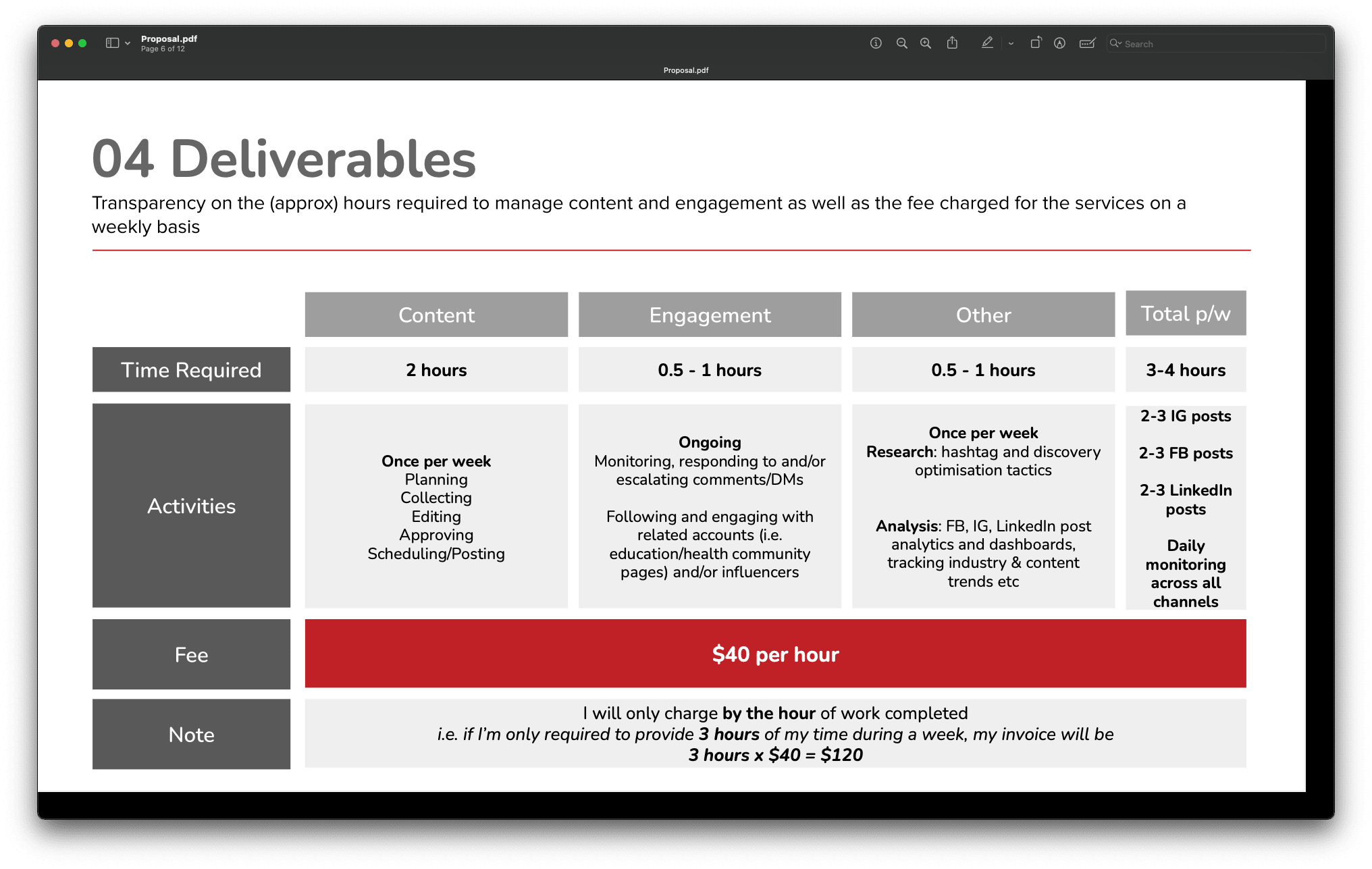
I created my own hard ceiling on my earning potential, by charging:
- Based on my time; and
- At a lower hourly rate than the rate of my full-time salary
See the issue here?
I created multiple "jobs" for myself at a lower hourly rate
- $40 per hour with 3-4 clients
- Vs. $65 per hour with 1 employer
From a financial perspective, this made no sense as I was now:
- Earning less per hour; and
- Working fewer overall hours; and
- Stretched across multiple "employers" (i.e. clients)
And because I had poor boundaries, I allowed my clients to get me to complete work that was outside of the scope of work we initially agreed upon, also known as "scope creep".
As a result, I felt increasingly underappreciated and resentful towards them, even though it was 100% my fault.
💬 "F*ck this, Mamba"
After the first few months of draining my sanity and savings, I had a "f*ck this" moment.
I knew there had to be another way of pricing myself, but I didn't know it...yet.
Fortunately, I knew the value of paying for the expertise of others to shortcut a learning curve, instead of struggling for months (or years) doing the same thing and yielding the same results.
So, I made one of the biggest investments in myself by getting a business coach and mentor that completely shifted my mindset towards self-worth, pricing and my relationship with myself & others.

Tommy 'Mantastic' Bellman - my business coach and mentor
Tommy introduced me to the principle of fair exchange, which goes along the lines of:
Any exchange that you walk away from feeling emotionally balanced or positive, you've understood to be a fair one.
It doesn't necessarily relate to what is actually being exchanged (i.e. product, service etc) but the intuitive "gut" feeling that either party has after the exchange has been done.
"If you GIVE more than you TAKE, you feel RESENTFUL.
If you TAKE more than you GIVE, you feel GUILTY"
— Christen Killick
The resentment I felt towards my clients were intuitive signals that I was underpriced or/and underappreciated.
I just didn't know what to do about it.
Fortunately, Tommy helped me completely overhaul my mindset and method towards pricing.
And 2 years later, I truly feel that all of my clients, and the projects we collaborate on, embody the principle of fair exchange.
To save you from 2 years of guesswork, resentment or investing in a business coach, this guide will help you better price your skills or expertise to the marketplace, whether for your side hustle or full-time venture.
It consists of just 2 methods, with a breakdown of what they are, when you'd use them & how to use them (with examples from our creator community).
- Method 1: Input-Based
- Method 2: Output-Based
Ready to get your pricing right, my friend?
💰 Let's go.

🕖 Method 1: Input-Based (Time)
What?
This is the most common approach we're all familiar with - it's pricing based on your time (input).
Due to our societally ingrained mindset of valuing ourselves based on time, we'll default to valuing ourselves as the hourly rate we've been paid at our current, or latest role.
The reality is that your per-hour value is actually much higher, especially if someone is seeking you out for a specific set of skills and unique knowledge that you've accumulated.
That's because, unlike when you're an employee that can be replaced (i.e. commodified), when someone seeks you out it's because you've got an inherent value they probably can't find easily or readily (i.e. rare/unique).
That's your leverage.
When?
When you find yourself in a position where you start having a lot of requests from others that want to:
- "Pick your brain"
- "Jump on a quick call"
- "Run some ideas past you"
- "Get your feedback on something I'm working on"
...that's when you know you have a valuable skillset or subject-matter expertise.
The value you're providing someone comes from:
- Saving time: you're cutting down the time it'd take them to solve their own problem
- Aggregated knowledge: you've aggregated years of knowledge from your experience; and
- Tailoring a solution: you're providing them with a solution tailored to their situation or circumstances
🤔 Think about it:
You'll be referred to, or will seek out, a medical specialist if you have a health diagnosis that's beyond the "general" scope of your GP or family doctor.
In this instance, you're the specialist.
How?
Set up a 1-hour coaching or consultation offer that provides individualised 1:1 video calls based on your skill, or area of expertise, using these tools:
🗓️ Scheduling: Use Calendly or Cal
💳 Payments: Use Stripe or Paypal
👨🏽💻 Calls: Use Zoom or Google Meet
📢 Digital Storefront: Use Stan or TopMate (optional)
You can start by selling a single 1-hour call, or if your clients or customers request more support, consider packaging them up into bundles, such as 4 coaching calls per month.
What price should you set?
There's no perfect formula for this, but I highly recommend starting with (at least) $100 - $150 per hour, with an aim to increase over time if demand goes up.
Seems high?
Not really.
When you factor in:
- Your Time: back'n'forth messages or emails, organising your schedule/day around the call and any follow-ups after the call; and
- Additional Fees/Costs: factor in the platform and payment processing fees (~3-5%) and also slice out your marginal tax rate (15-40%)
...you'll be left with much less than your customer or client pays, and will have spent more time than just what was scheduled in your calendar.
So just remember that Mamba said: no less than $100 when getting started.
Examples
Here are some examples from creators in our community that responded to inquiries and requests from their audience, if they offered coaching calls in their respective areas of skill and expertise.
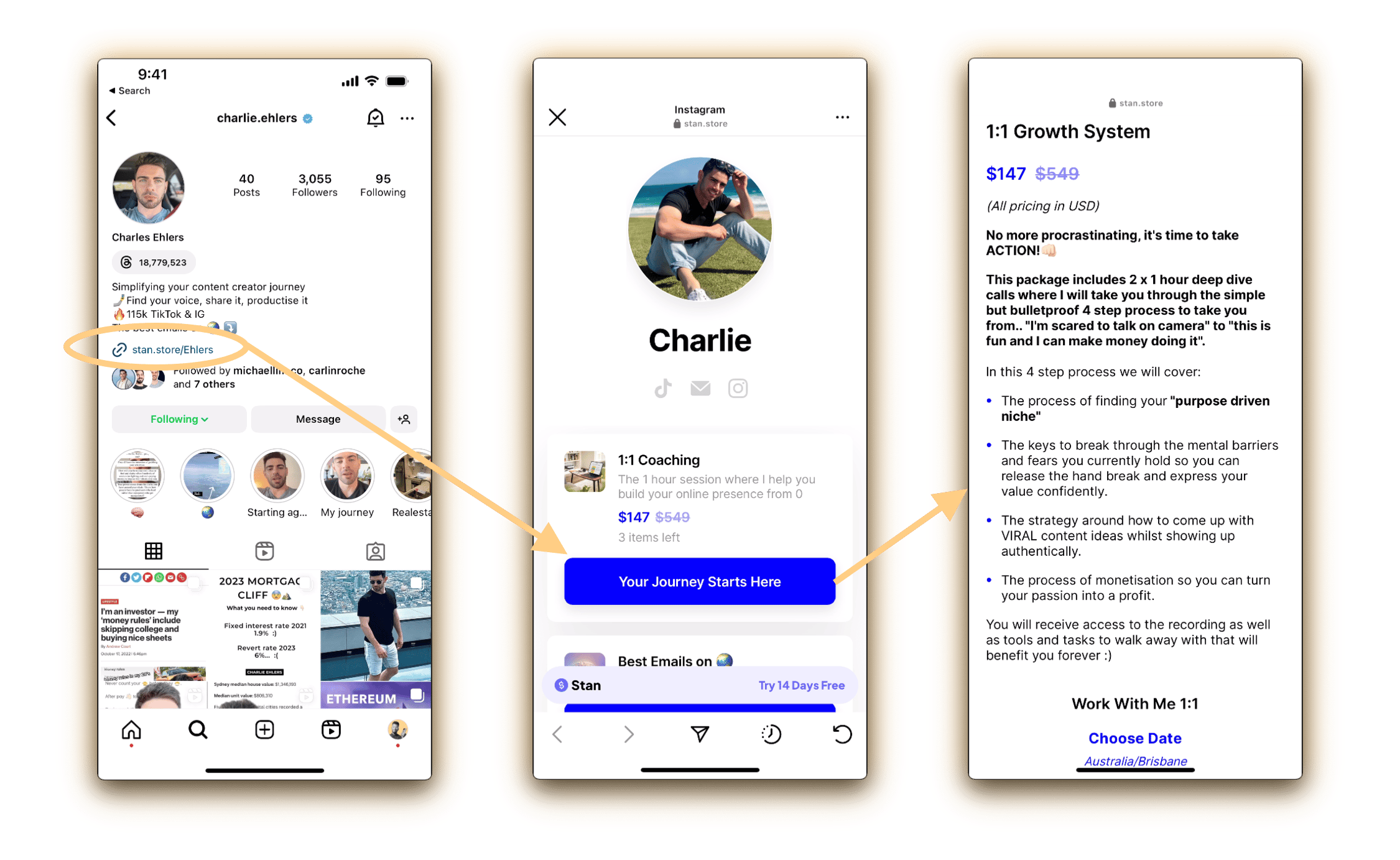
Charlie Ehlers' 1 on 1 Coaching Call Offer
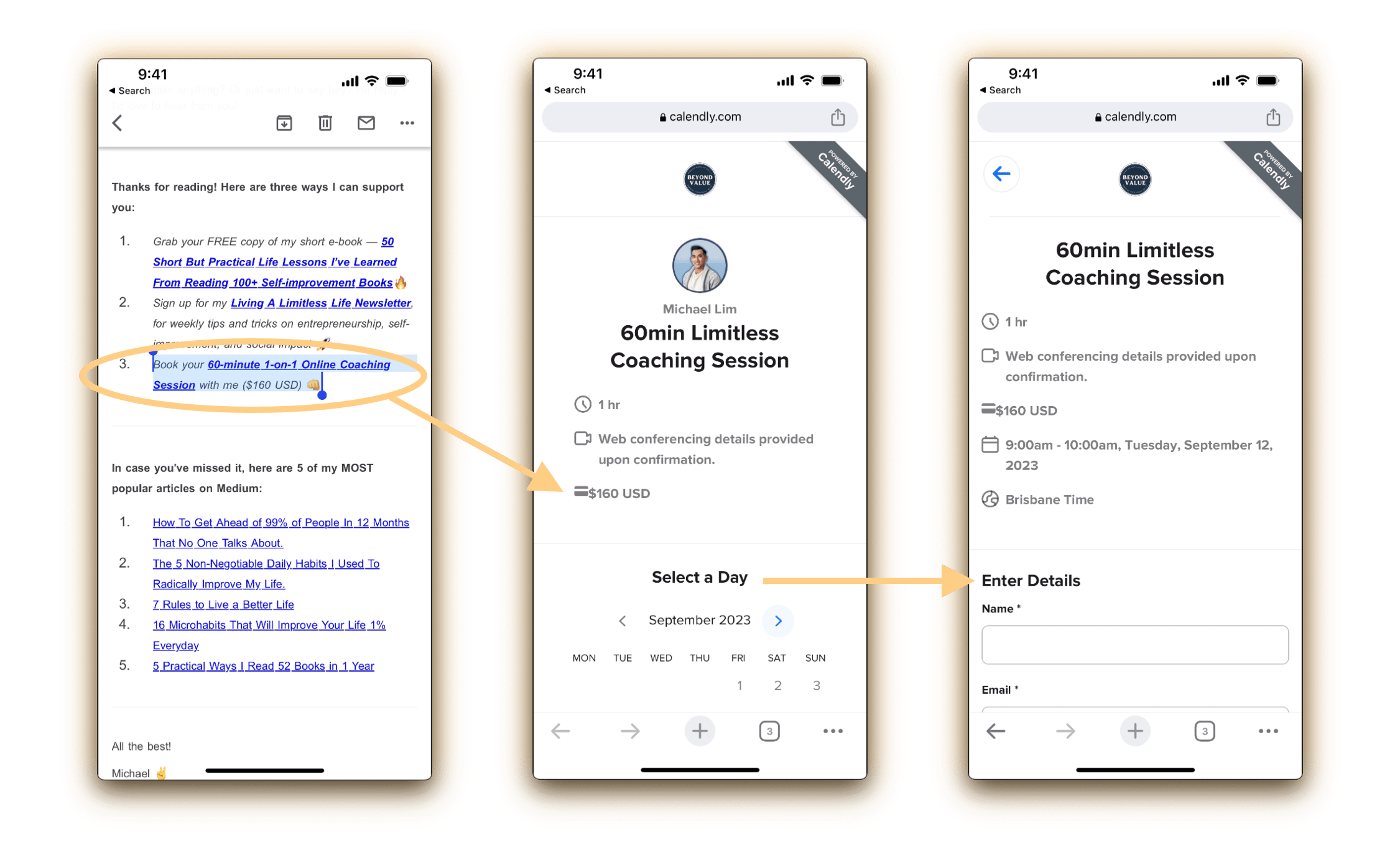
Michael Lim's 1 on 1 Coaching Call Offer

🎁 Method 2: Output-Based (Deliverable)
What?
This involves pricing based on the deliverables (i.e. the projects you deliver).
Doing this effectively starts to divorce your earning potential from your time.
It still does involve your time, but it's no longer a linear relationship (1 for 1).
Why?
Because you're now incentivised to become more efficient in the way you deliver your services to your client/customers, while ensuring that your quality remains the same, but just completed in less time.
So, as your skillset improves, you could eventually complete 2 projects in the time it used to take you to complete 1 project.
And now, your clients are happy as long as they receive the deliverables, instead of tracking how many hours you're billing them for.
Your time is no longer the "ceiling" to your earning potential - your efficiency is.
That's your leverage.
When?
If you have clients or customers who are asking you to provide ongoing services that'll take multiple weeks or months to complete, output-based pricing is right for you.
In my instance, given that content creation isn't a one-and-done thing, many of my clients have asked for ongoing content creation.
As content creation is a skill set I've improved and become more efficient at, using input-based pricing would financially penalise me for being more efficient.
Instead, I can create packages that help the client clearly identify what they'll be getting every week or month, for a set price.
How?
Brainstorm all of the "products" or "features" that your clients or customers typically want from you, and turn them into a package you could offer.
In my case with content creation, this might be:
-
of pieces of content
-
of rounds of revisions
- scheduling on social media platforms
- royalty-free music and sound effects
- captions or subtitles on all finished content
- 1 x 30-minute Zoom sync each week (optional)
- delivery of all content via Google Drive/WeTransfer
Then, estimate the number of hours it'll take you to deliver everything (include a buffer) and multiply by your hourly rate (see Method 1 above).
And that's your package a.k.a output-based pricing.
💡 Pro-tip: Your clients will often have a range of budgets they can spend on your services, so consider offering multiple packages to cater for this.
Examples
Here are some examples from creators in our community who have created packages around their respective areas of skill and expertise, that helps their clients/customers clearly understand what they get (i.e. deliverables).
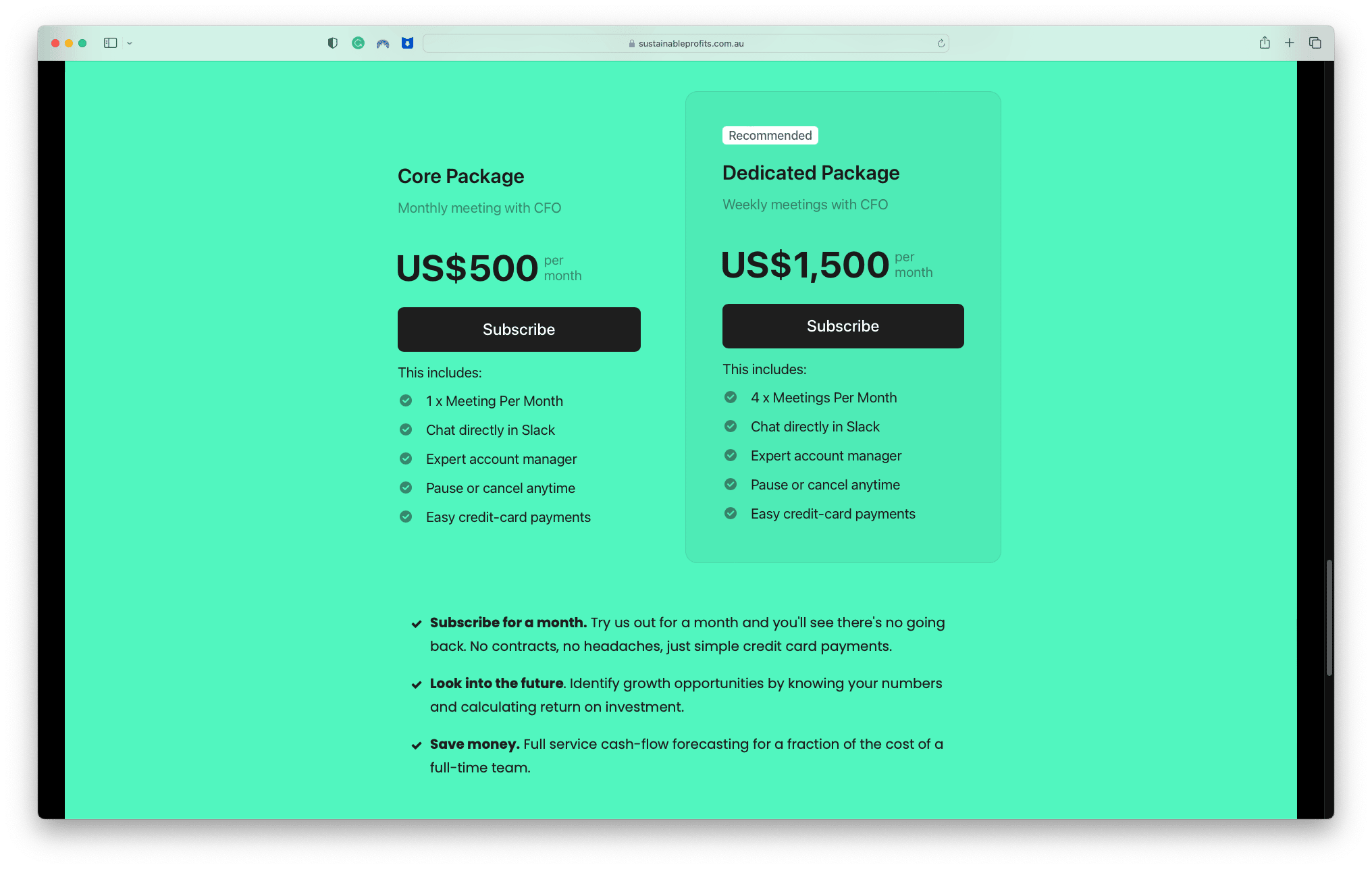
Michael Francis's Packages for Sustainable Profits
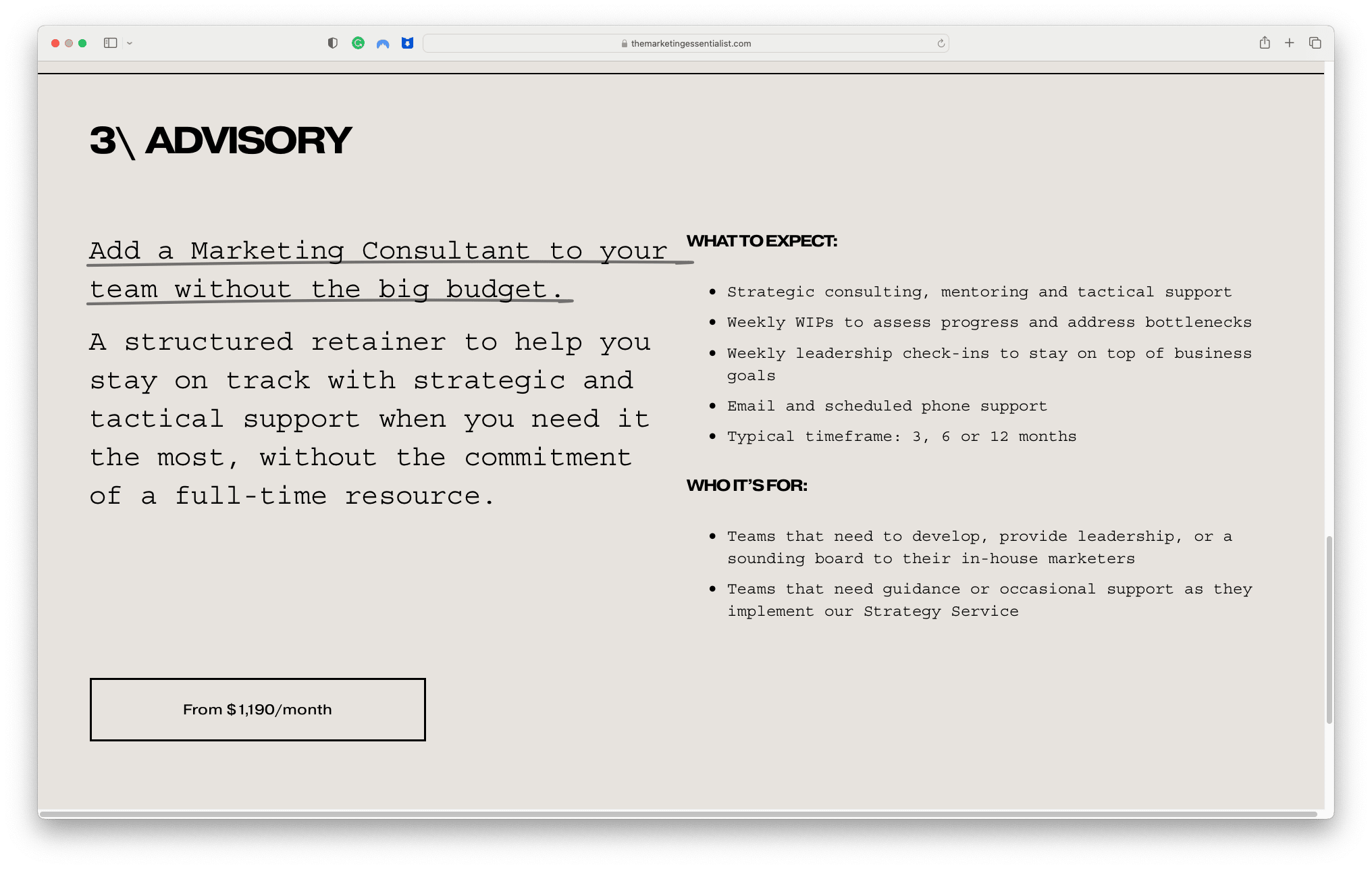
One of Jasmin Chia's Monthly Advisory Package for The Marketing Essentialist
So, in summary, when pricing your service-based skillset or knowledge:
- Input-based: Charge a high (>$100) hourly rate for a coaching or consultation call(s)
- Output-based: Create a package of deliverables with a fixed fee, calculated from your average estimate of time taken to complete them multiplied by your hourly rate (with a buffer for extra time)
To hear more on my personal and business journey since I left Google, check out this video I shared on Instagram:

And I'll leave you with this nugget from a (virtual) mentor of mine who's had a massive impact on levelling up how I perceive my value and self-worth:
"It is your true self-worth that can determine your self-wealth.
This is what determines what you will allow yourself to be, do, and have in your life"
— Dr. John Demartini
Mamba