A comment that struck me this week came from online writer and fellow reader Matt K Head, who replied to one of my posts about my 'Capture, Curate & Create' workflow.
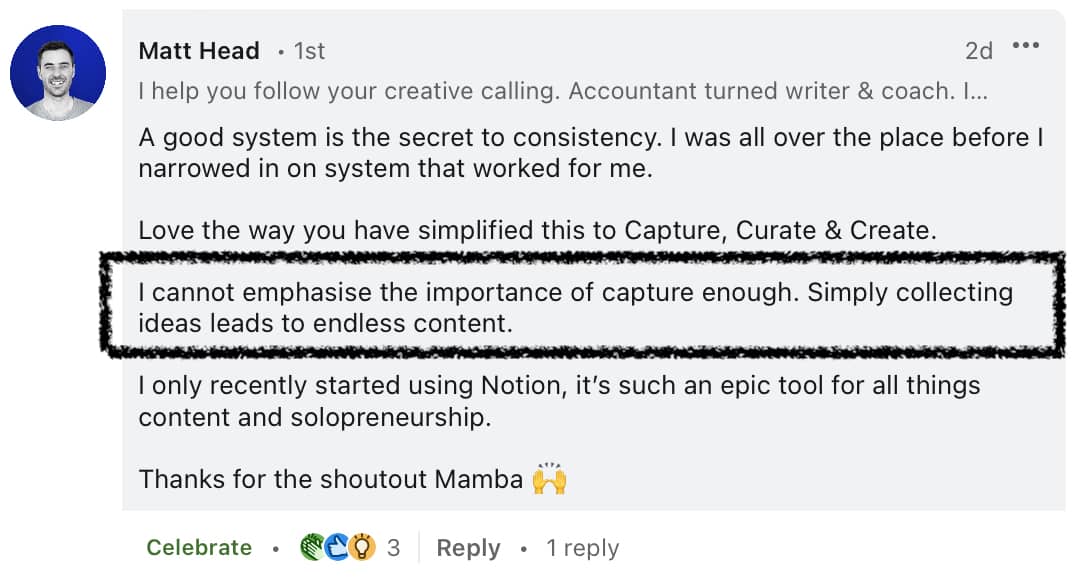
"I cannot emphasise the importance of capture enough. Simply collecting ideas leads to endless content." - Matt K Head
I've heard creative professionals tell me countless times that they're "...struggling to come up with original ideas or find inspiration for their content", using that as their excuse for not creating any.
As if history's greatest creators have special access to a magical, mystical or divine intelligence that isn't available to ordinary folks!
Truth is - they were exposed to many high-quality ideas that they could synthesise, innovate and express originally.
"Good artists copy. Great artists steal." - Pablo Picasso
It's why in the Renaissance era, artists flocked to immerse themselves in the artistic revolution flourishing across Italy and Europe during the 15th and 16th centuries.
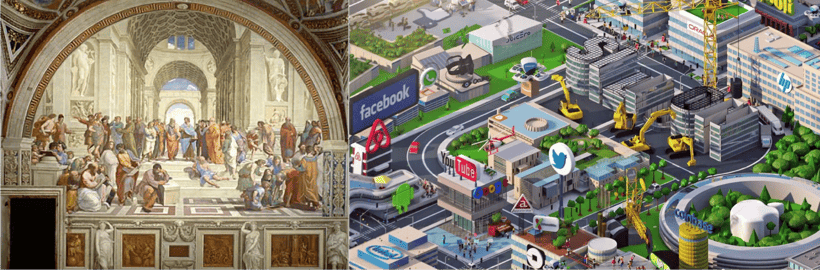
Or why Silicon Valley (South San Francisco Bay Area of California) became a global hotspot for entrepreneurs immersing themselves within an environment with the world's leading and fastest-growing internet start-ups.
While you may not be able to shift your physical environment, you can shift your digital environment to expose yourself to better ideas and create better content.
"You are what you eat."
The same applies to your digital diet.
So I'm sharing all of the methods I've discovered to improve the quality of my digital diet:
- Cut: Remove the noise and laser in on ideas that are relevant and truly essential to you
- Collect: Tips and tools to collect ideas as soon as you read, see or hear them
- Craft: How to take a great idea and spin it into your own
Cut
"You cannot overestimate the unimportance of practically everything." - John Maxwell
Honestly - we're being buried in the "information age".
You'd need 1000 lifetimes to consume all of the content created by everyone in your social media newsfeeds.
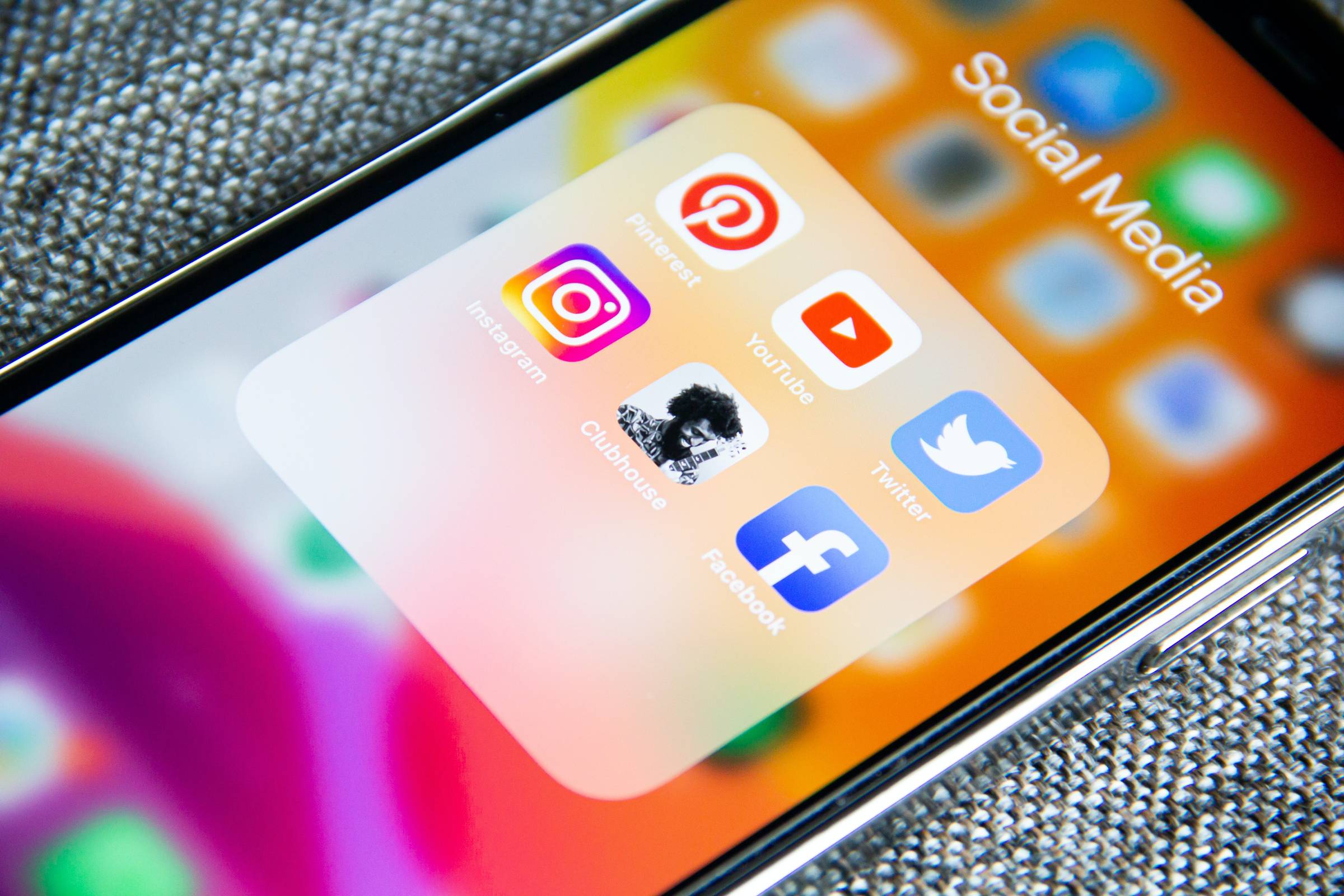
So in this "curation age", you need to consciously decide what is worth your time and attention and what isn't.
You may have outgrown a creator's content, as it helped you in a season of life that you've moved beyond.
It may no longer serve the person you are today or you're becoming.
We don't need MORE ideas; we need fewer high-quality ones.
So I tried doing a "mass cull" of all the newsletters, accounts and even social media connections I had amassed over years of being on the internet, all in one day.
I wouldn't recommend it.
Instead, take this approach.
Ask yourself every time you come across a post, notification or newsletter.
"Is this creator or piece of content currently serving me?
If so, leave it.
If not, unfollow or unsubscribe.
I guarantee practising this slow, consistent and conscious process over weeks will result in your content consumption feeling:
- Present
- Focused
- Memorable
That's because you've committed to being intentional with your attention by exposing yourself to ideas that are serving you.
Because I respect that those readers make a conscious decision to protect their time, energy and focus.
And if you feel the same way about any content you're consuming - give yourself permission to unsubscribe.
No hard feelings.
I want you to do what's right for you.
Now that we've cut back to the content that delivers the best ideas for you, let's choose a simple process that suits the format of the content you're consuming.
Collect
"Start where you stand, and work with whatever tools you have at your command, and better tools will be found as you go along." - Napoleon Hill
The 'Forgetting Curve' is a visual representation of the mathematically derived information loss rate.
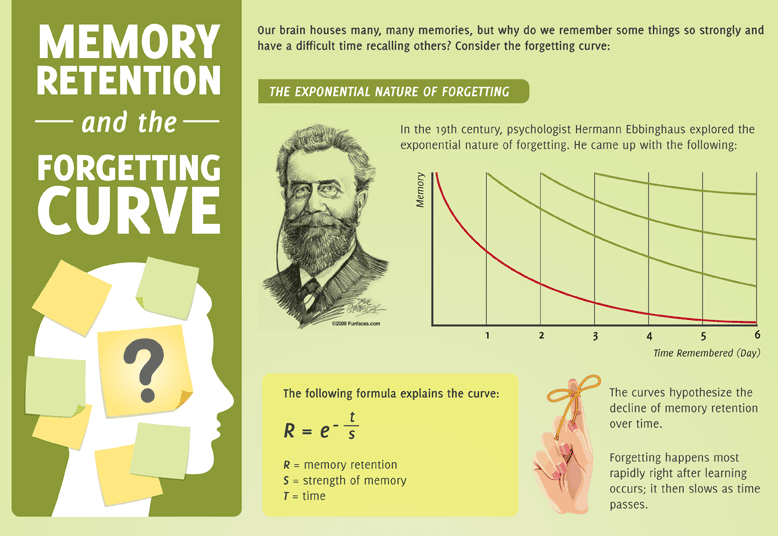
Created by 19th-century psychologist Hermann Ebbinghaus, it indicates humans can lose anywhere between 50 to 70% of information within 24 hours of first being exposed to it.
That's why you need a process to snag and save ideas as soon as you see them, mainly as it can be cumbersome to backtrack your digital trail of consumption.
Depending on how you consume your content, here are some of the most straightforward and most efficient methods that helped me capture ideas in the moment:
📖 Text
Books
If you read hardcopy books, two options that have helped me capture ideas in the moment are:
1: Sticky Notes & Highlights
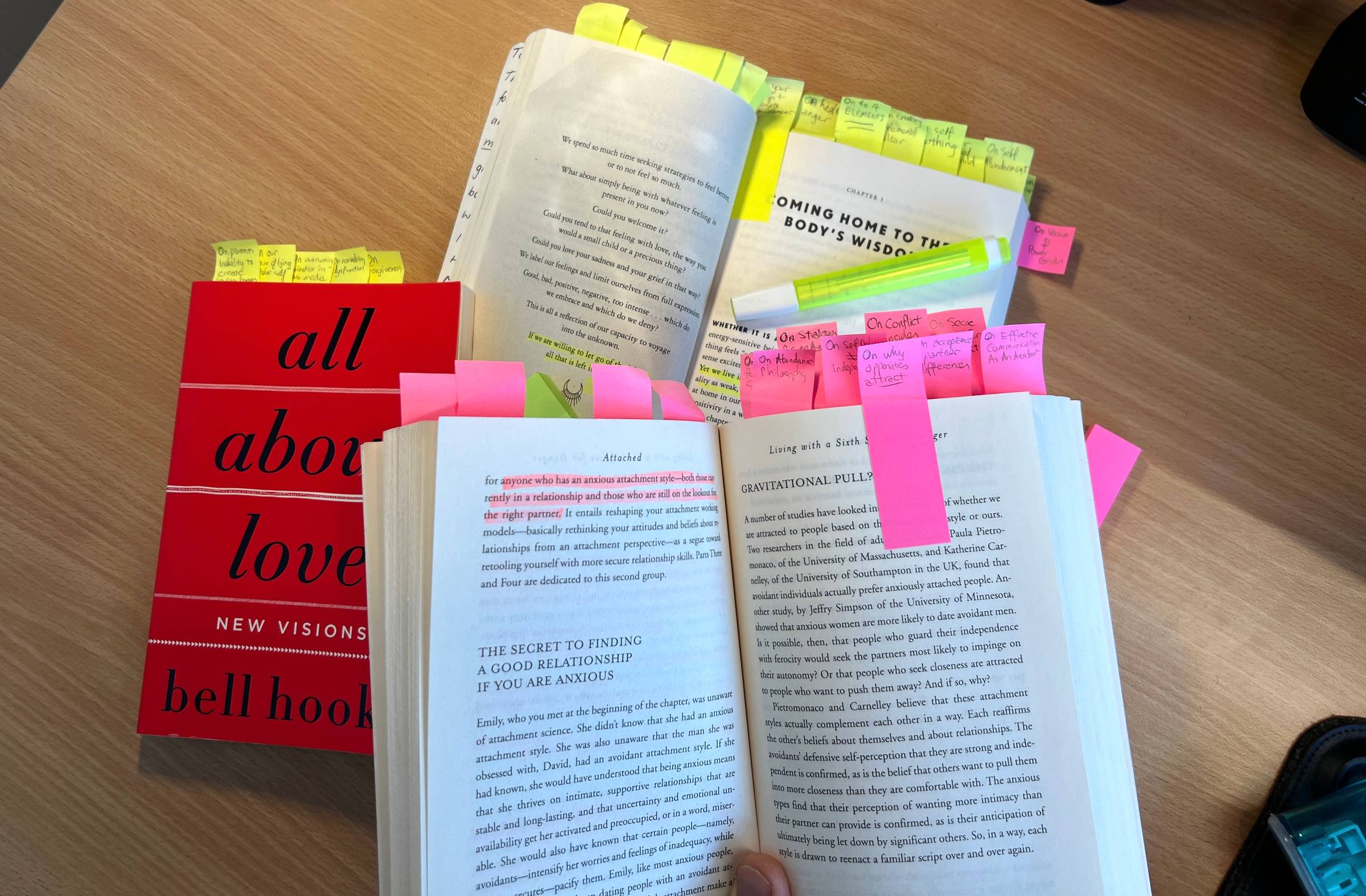
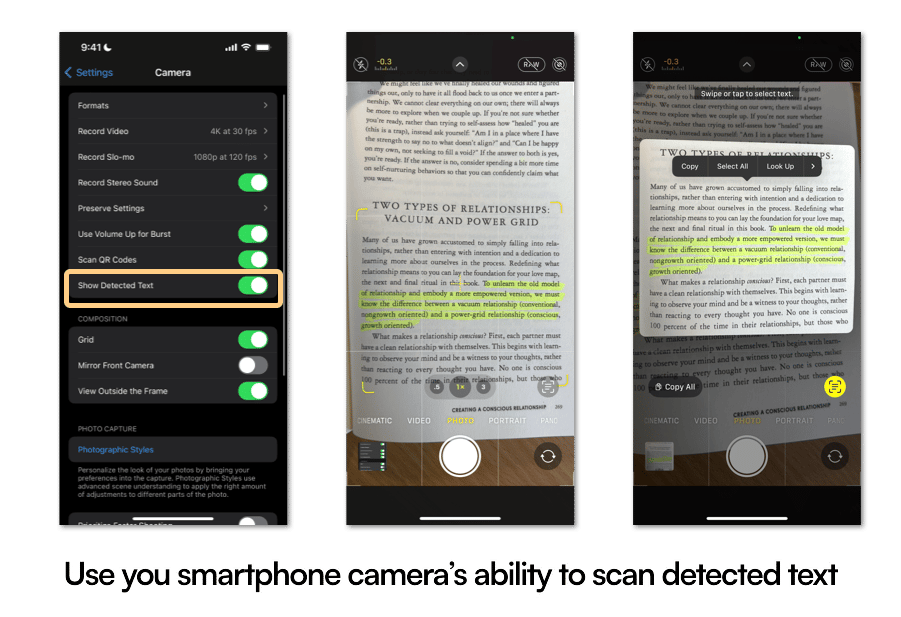
2: Using your smartphone camera to scan and copy notes
E-Books
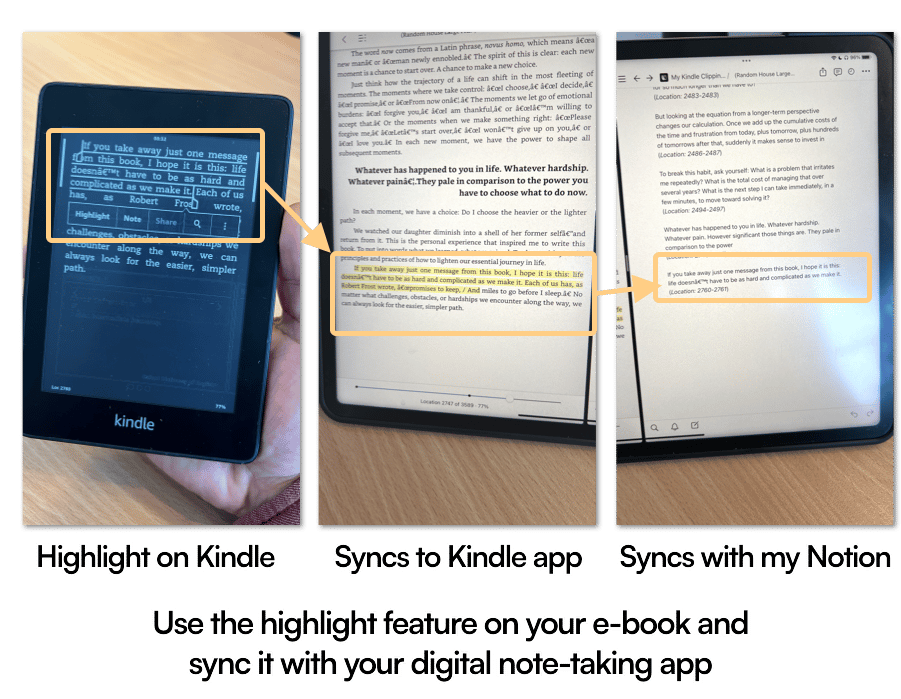
When I'm travelling, I prefer to take my Kindle as it's portable, can carry an entire library of books, and the app allows me to transfer notes within my digital ecosystem, using an app such as Readwise.
Video
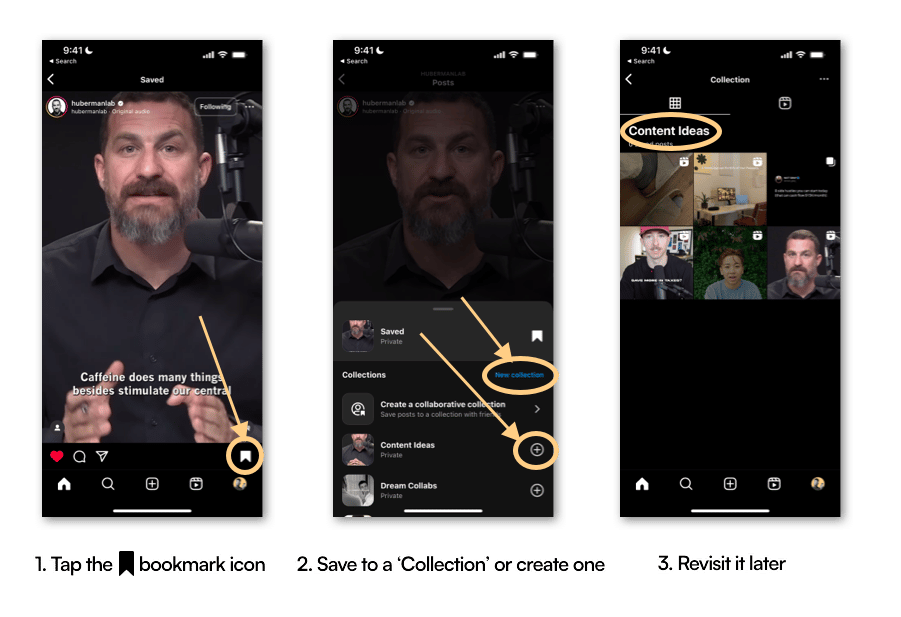
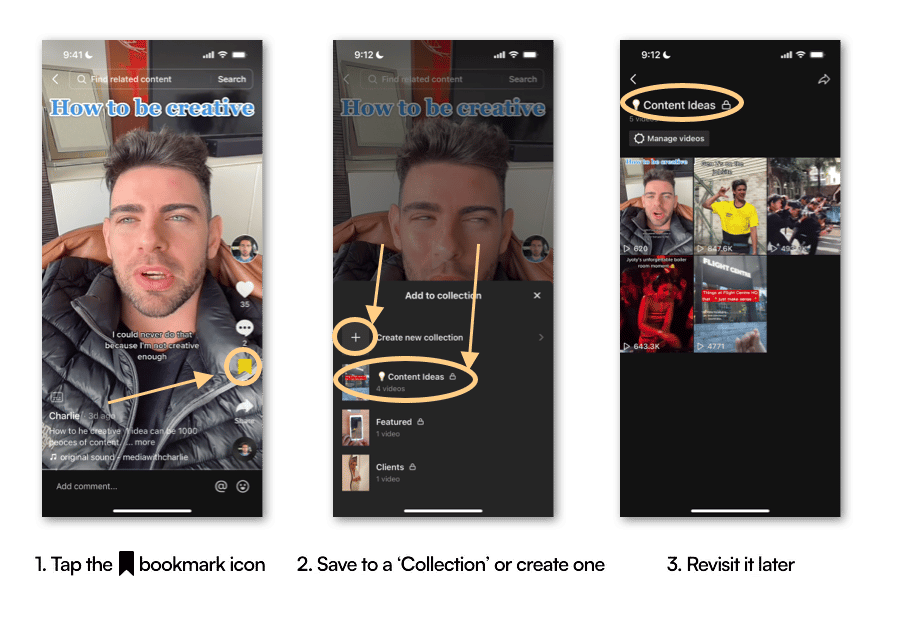
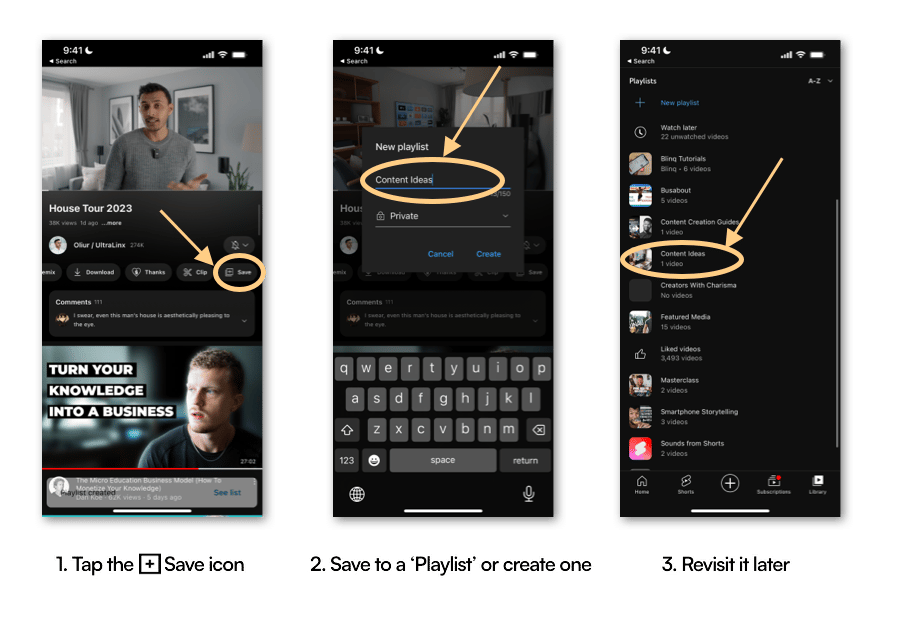
If you're a visual learner and love watching IG Reels, TikTok or YouTube Shorts, then you'd know the feeling of forgetting 99% of the videos you watch during a session.
Fortunately, these platforms have an equivalent of a "bookmark" feature that I've been using to collect ideas that resonate with me.
Here's how you can access them across these 3 platforms:
TikTok
YouTube
⚡️ Pro-Tip
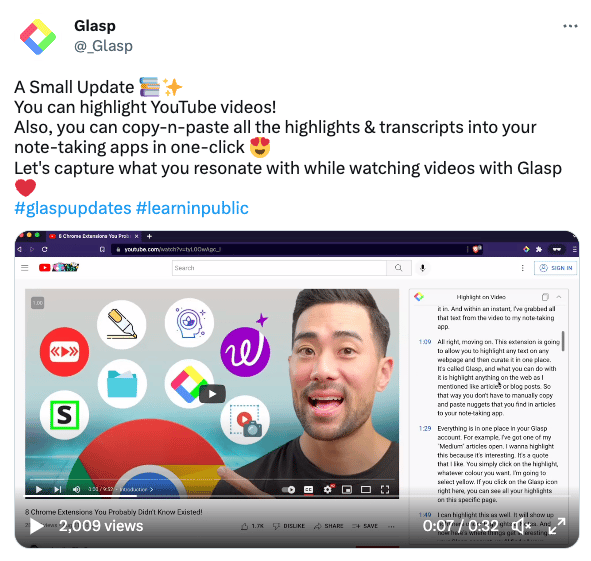
If you consume long-form YouTube video content, I've been using Glasp to pull out takeaways for content ideas.
This free web browser extension uses ChatGPT to summarise the video transcription into key takeaways.
You can download it for free here
👂🏼 Audio
If you consume audiobooks and podcasts, there are a few handy tools worth taking advantage of, especially as you'll unlikely have a notepad while listening.
Audiobooks
I've found that listening to a book and also reading it tends to increase my retention of the content.
While I use Audible, I'm confident that whatever your audiobook platform is will have a similar feature to this.
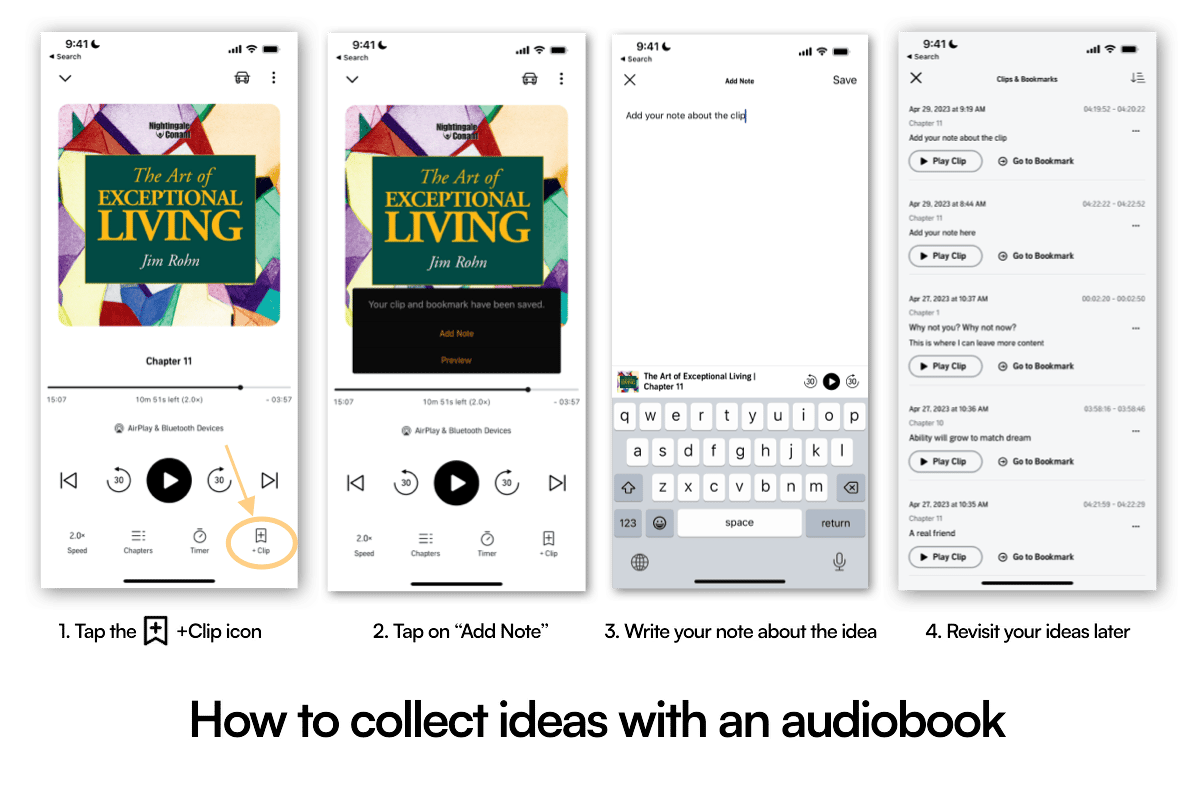
In Audible, you can "Clip" segments of the audiobook, title them, add notes and revisit them later.
Podcasts
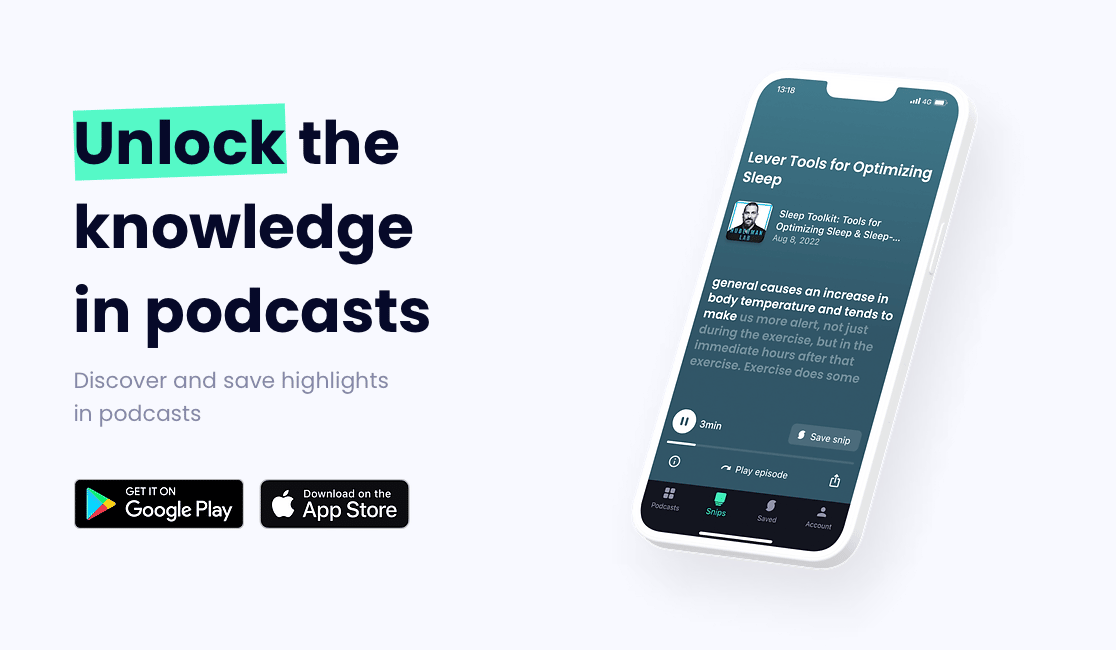
If you listen to podcasts intending to learn (and not for recreational listening), I recommend using the Snipd app
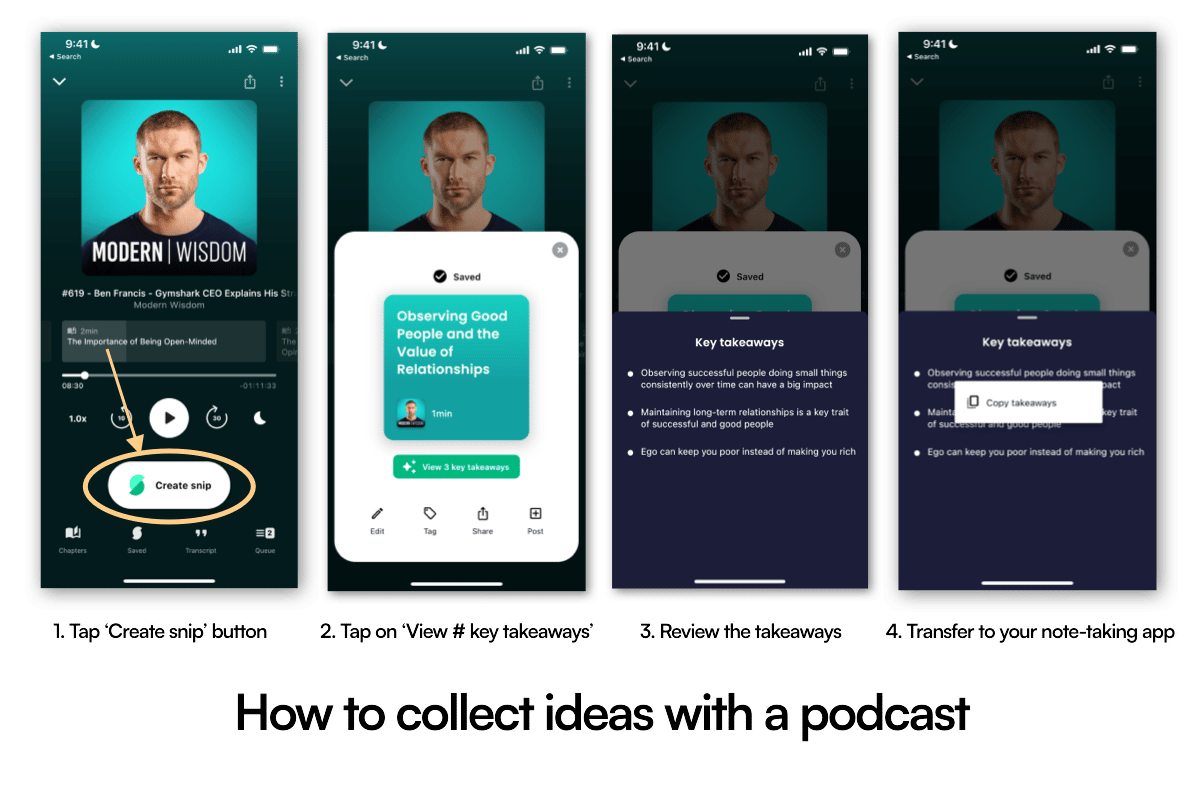
It creates AI-generated takeaways you can copy and transfer to your preferred note-taking app.
And now that we've collected ideas, it's time to turn them into gold.
Craft
"Learn how to say 1 thing, 1000 ways." - Justin Welsh
You might be wondering:
"How do I make these unoriginal ideas sound original?"
The answer is:
You.
Your experiences, stories and nuances have never been paired together with these ideas (or ever will).
Ideas stick in your mind because of the person that delivered them, not of the content of the idea.
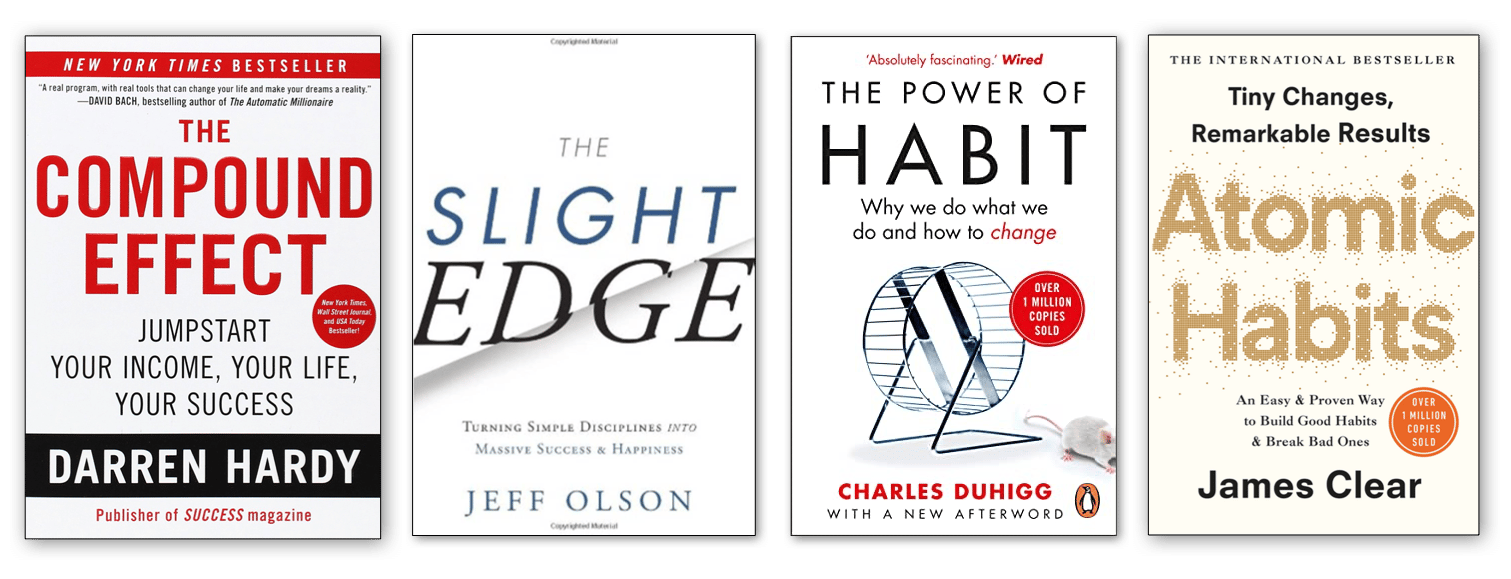
Chances are that ONE of these books on habit formation and consistency will stick with you more than the others will.
That's because the author uniquely delivered the idea through their lens.
The same applies to you.
If you're still unsure how to get started, here's a practical framework that'll help you dissect a single idea into multiple lenses.
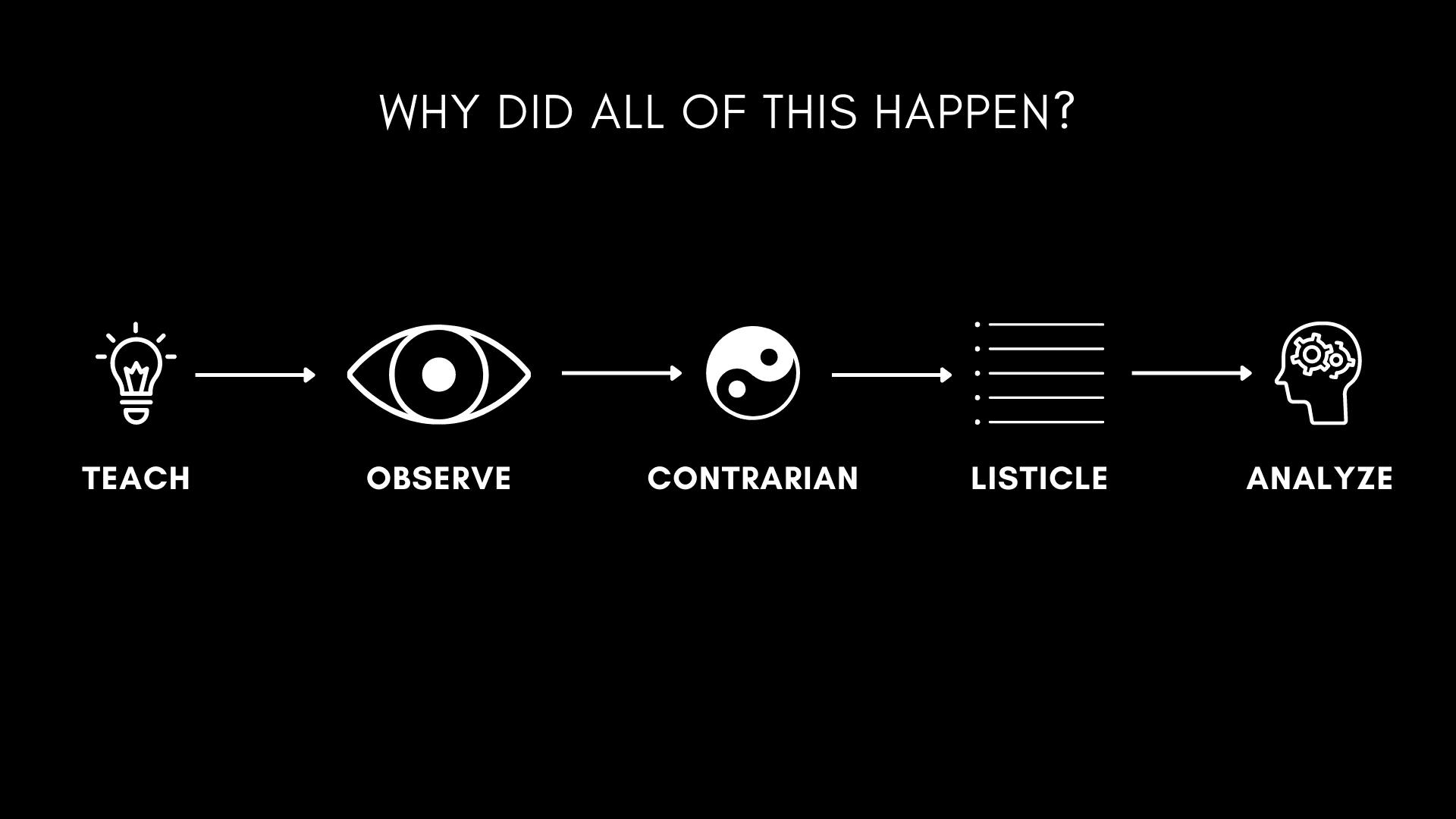
I've borrowed this from digital solopreneur Justin Welsh, in which he has 5 prompts about an idea or experience:
- Teach - What can I teach someone?
- Observe - What did I observe during the journey?
- Contrarian - How is this different from what others say?
- Listicle - What tools or lessons can I share in list form?
- Analyse - Why did all of this happen?
Often, the best creators are the ones that have learned how to deliver their core idea or message in hundreds of different ways, instead of providing hundreds of different messages in one way.
In summary, to capture better ideas to create with
- Cut - Cull the noise and zero in on the ideas that serve you
- Collect - Use tools to snag ideas in the moment
- Craft - Slice a single idea into multiple angles through the lens of your life
And I'll leave you with this quote from one of my all-time favourite books 'The Art of Exceptional Living' by Jim Rohn:
"Ideas can be life-changing. And sometimes all you need is just one more in a series of good ideas. It's like dialing the numbers into the lock. You've got 5 or 6 numbers dialed into the lock, the lock still won't come open, but you don't need 5 or 6 more, you just need one more." - Jim Rohn
Mamba